

Best Product Design Courses by Tata Technologies

Banner showing engineering students learning product design using CATIA, Siemens NX, SOLIDWORKS, and Creo for CAD and mechanical product development.
Business

Best Product Design Courses by Tata Technologies
Today’s engineering industry is evolving rapidly with advancements in digital engineering, smart manufacturing, and automation. As companies focus on designing innovative, efficient, and production-ready products, the demand for skilled product design engineers continues to grow across industries such as automotive, aerospace, industrial equipment, and consumer products.To meet this demand, the best product design courses help engineering students and professionals develop practical skills in CAD modeling, engineering drawings, product development, and manufacturing workflows. These top product design courses combine technical knowledge with hands-on learning, preparing engineers for real-world design challenges.

Whether you’re exploring the best product design course for engineering students or looking to advance your existing skills, this guide covers everything you need to know—from the product design lifecycle and industry-standard CAD software to career opportunities, salaries, and the essential skills employers look for.

Table of Contents

What Is Product Design?

Product design is the process of creating, developing, testing, and improving physical products before they are manufactured. It combines engineering principles, CAD software, and manufacturing knowledge to build products that are functional, efficient, and production ready.


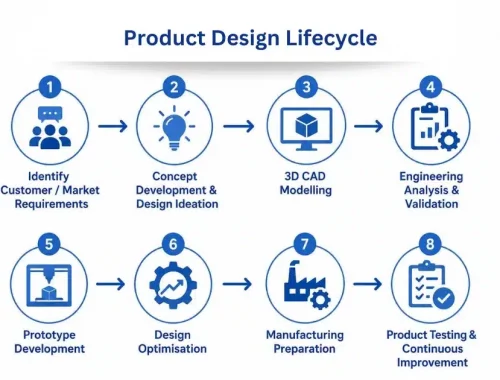
Product design lifecycle showing the key stages of engineering product development from concept to manufacturing.

Top Software Used by Product Designers

Product design engineers use industry-standard CAD software to create 2D drawings, 3D models, assemblies, and manufacturing-ready designs. Some of the most widely used tools include:

  • CATIA
  • Siemens NX
  • SOLIDWORKS
  • PTC Creo
  • AutoCAD

Is Product Designing in High Demand?

As industries across automotive, aerospace, industrial equipment, and manufacturing accelerate digital engineering and smart manufacturing, the demand for skilled product design engineers continues to rise. Modern businesses rely on engineers who can design innovative, production-ready products while reducing development time and manufacturing costs.


According to recent market research report, the global CAD and PLM software market was valued at USD 17.76 billion in 2025 and is projected to reach USD 34.39 billion by 2034, growing at a 7.60% CAGR. In addition, discrete manufacturing industries—including automotive, aerospace, and heavy manufacturing—are expected to account for 56.83% of CAD and PLM software adoption, highlighting the growing importance of product design in modern engineering. 

For engineering students and professionals, this means that skills in CAD, GD&T, PLM, and Design for Manufacturing (DFM) are becoming increasingly valuable for careers in product design and manufacturing.

Skills Every Product Design Engineer Needs

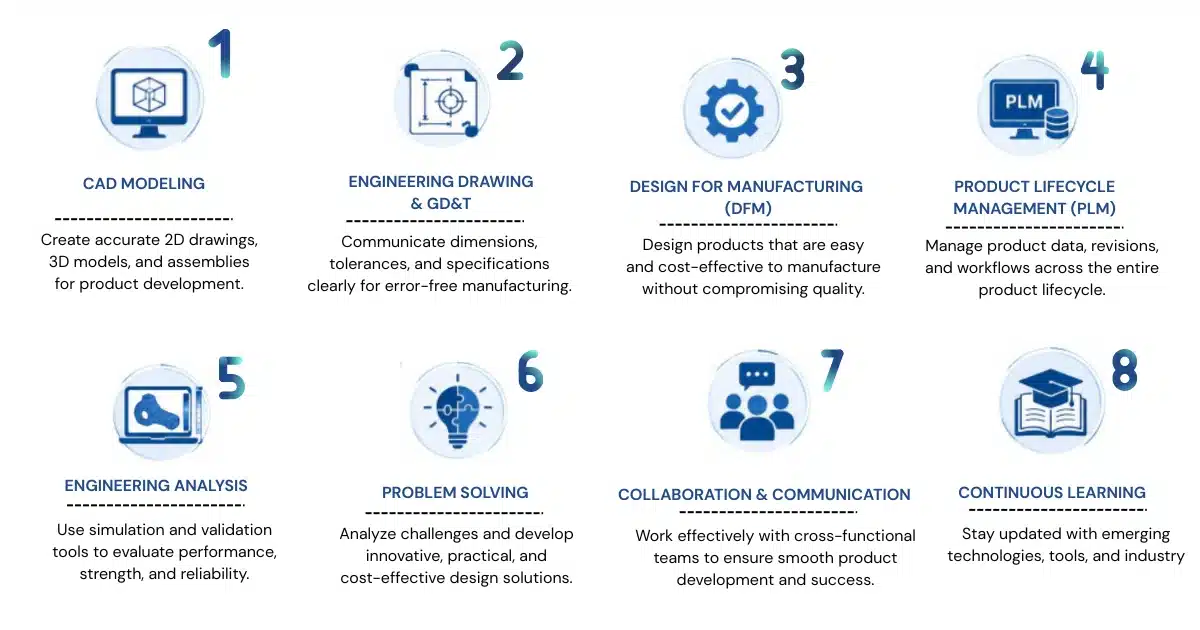
Product design engineers need a combination of technical and problem-solving skills to develop innovative, manufacturable, and industry-ready products. The infographic below highlights the core skills every aspiring engineer should master.

Infographic showing the essential skills every product design engineer needs, including CAD modeling, GD&T, DFM, PLM, engineering analysis, and problem-solving.

Let's Explore the Best Product Design Courses

Choosing the right product design course can be overwhelming, especially with so many learning options available today. To make it easier, we’ve briefly explained what each course covers, the key skills you’ll gain, and how these tools are applied in real-world engineering projects.

Here are the best product design courses: CAD Fundamental & Engineering Drawing, CATIA Product Design Course, Siemens NX Product Design Course, SOLIDWORKS Product Design Course, PTC Creo Product Design Course, Geometric & Dimensioning Tolerance Course, Manufacturing Design Course, Product Lifecycle Management Course. Lets explore these course in details below:

1. CAD Fundamentals & Engineering Drawing

CAD fundamentals introduce engineers to 2D drafting, 3D modeling, assemblies, and engineering drawings—the essential skills needed to create accurate and production-ready product designs.

Some of the key concepts covered include:

  • 2D Sketching
  • 3D Modeling
  • Assemblies
  • Technical Drawings
  • Bill of Materials (BOM)
Infographic showing the essential skills every product design engineer needs, including CAD modeling, GD&T, DFM, PLM, engineering analysis, and problem-solving.

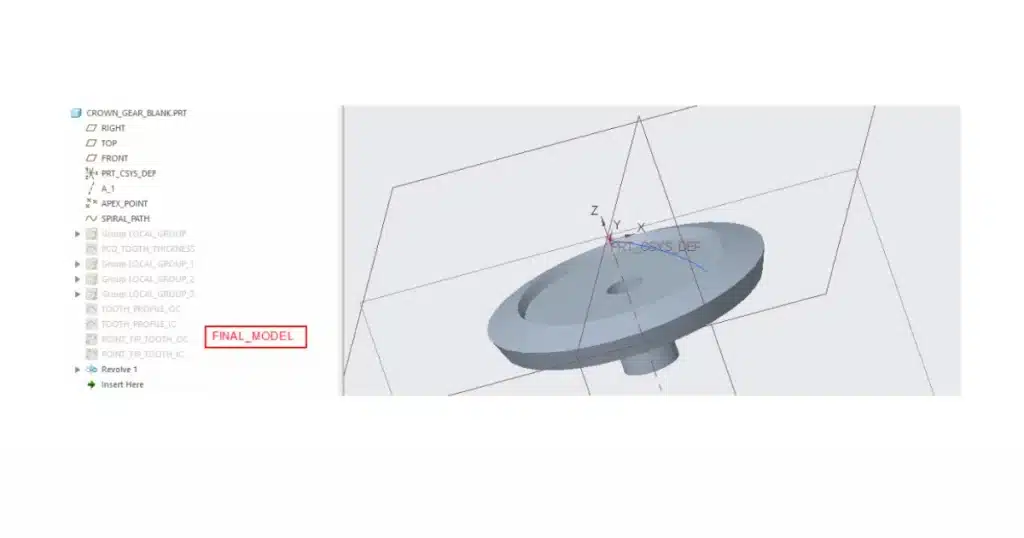
Example of a 3D modeling lesson from the i GET IT learning platform, demonstrating practical CAD workflows and engineering design concepts

2. CATIA Product Design

CATIA is a powerful CAD platform used to create complex 3D models, assemblies, and engineering components. It enables engineers to develop accurate, manufacturing-ready product designs for advanced engineering projects.

Some of the key concepts covered include:

  • Sketcher & Part Design
  • Assembly Design
  • Surface Design
  • Sheet Metal
  • Drafting
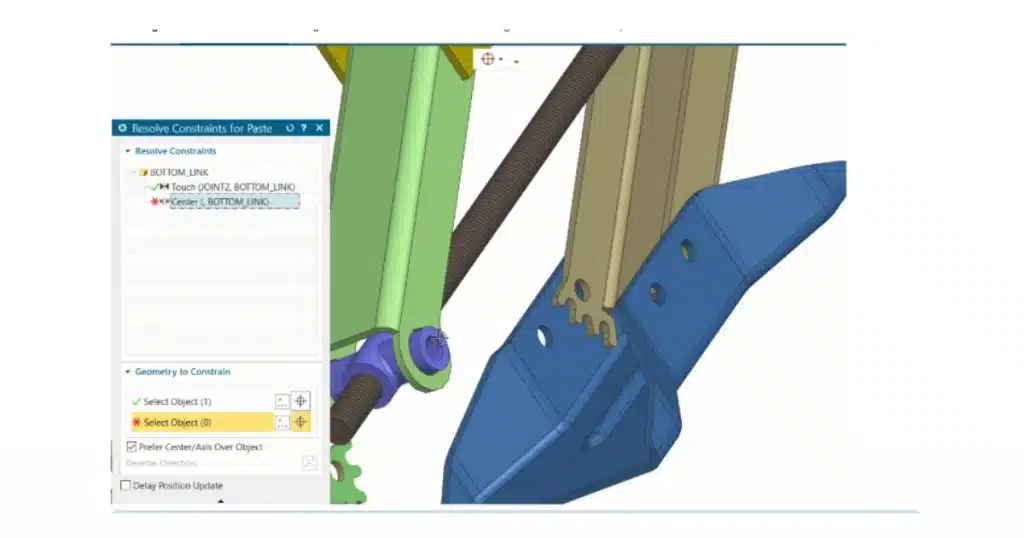
Example of a CATIA Product Design lesson demonstrating assembly design and engineering constraints for mechanical product development.

This hands-on CATIA lesson  demonstrates assembly design techniques used to create and validate mechanical products in real-world engineering workflows.

3. Siemens NX Product Design

Siemens NX combines product design, engineering analysis, and manufacturing into a single platform, helping engineers build high-quality products with greater efficiency.

Some of the key concepts covered include:

  • Parametric Modeling
  • Assembly Design
  • Surface Modeling
  • Drafting
  • Manufacturing Workflows

For a better understanding of Siemens NX and its applications, you can also read: What Is NX CAD Design Software? – Introduction 101.

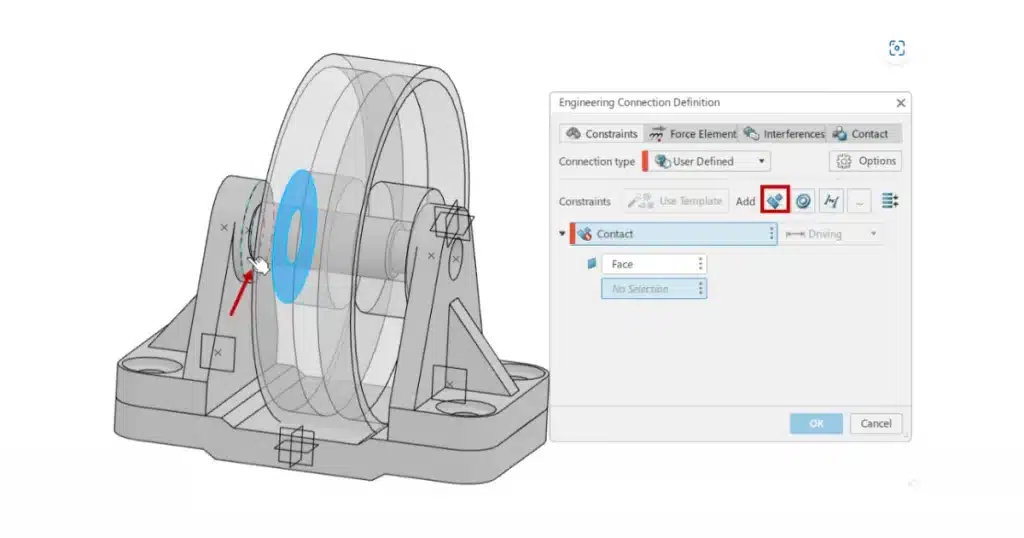
Example of a Siemens NX Product Design lesson demonstrating assembly design and engineering constraints for product development.

Example of a Siemens NX lesson from the i GET IT platform, showcasing assembly design and engineering constraints used in real-world product development.

4. SOLIDWORKS Product Design

SOLIDWORKS simplifies mechanical product design by enabling engineers to create detailed parts, assemblies, and engineering drawings for a wide range of manufacturing applications.

Some of the key concepts covered include:

  • Part Modeling
  • Assembly Design
  • Sheet Metal
  • Weldments
  • Motion Studies
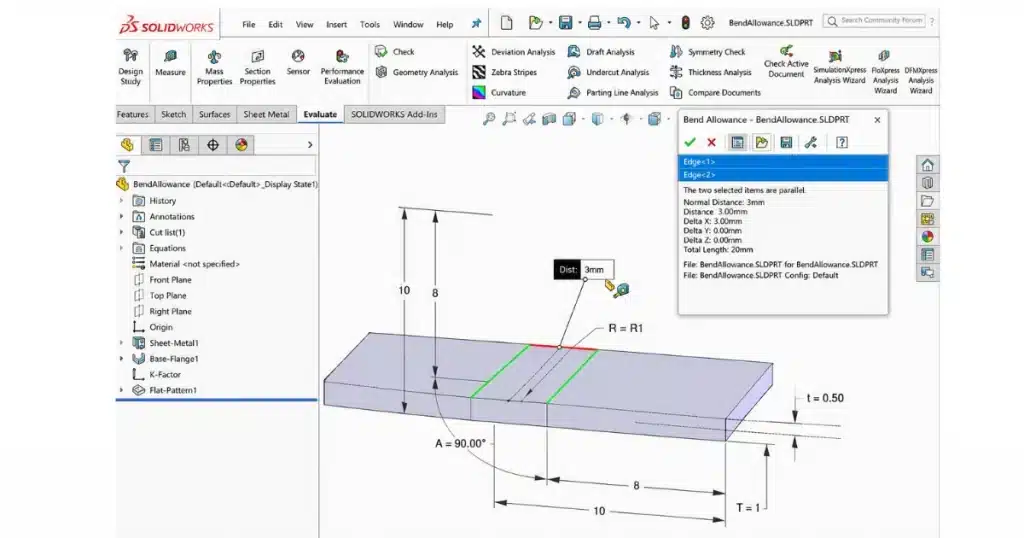
Example of a SOLIDWORKS Product Design lesson demonstrating sheet metal design and mechanical product development.

Example of a SOLIDWORKS sheet metal design lesson from the i GET IT platform, helping learners apply design concepts through practical engineering exercises.

5. Creo Parametric

Creo is a parametric CAD solution that helps engineers design complex products, manage large assemblies, and update designs efficiently throughout the development process.

Some of the key concepts covered include:

  • Parametric Modeling
  • Assemblies
  • Surface Modeling
  • Mechanism Design
  • Drawings
6. Geometric Dimensioning & Tolerancing (GD&T)

GD&T provides a standardized engineering language for defining dimensions and tolerances, ensuring products are manufactured accurately and fit together as intended.


Some of the key concepts covered include:

  • Datum Systems
  • Feature Control Frames
  • Position Tolerances
  • Profile Tolerances
  • Engineering Drawings
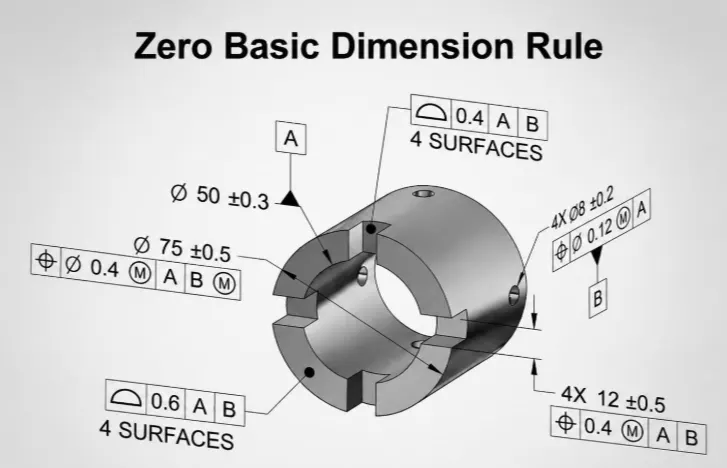
Screenshot 2026-07-22 181805

Example of a GD&T lesson from the i GET IT platform, demonstrating geometric dimensioning and tolerancing concepts used to create accurate and manufacturable engineering designs.

7. Design for Manufacturing (DFM)

Design for Manufacturing (DFM) helps engineers develop products that are easier to manufacture, reduce production costs, and improve overall product quality.


Some of the key concepts covered include:

  • Material Selection
  • Manufacturing Processes
  • Cost Optimization
  • Assembly Efficiency
  • Production Planning

DFM enables engineers to simplify manufacturing processes while improving product quality and reducing costs.

8. Product Lifecycle Management (PLM)

PLM helps engineering teams manage product data, design revisions, and collaboration throughout the entire product development lifecycle.


Some of the key concepts covered include:

  • Product Data Management
  • Change Management
  • Configuration Control
  • Collaboration
  • Documentation Management

Job Role & Average Salary for Product Design Engineering

Product design professionals can pursue a variety of engineering roles with competitive salaries. The table below provides estimated annual salary ranges for popular product design careers in the U.S.

Job Role Annual Salary Range (USD)
CAD Designer $54,900 – $73,000 (avg ~$63,170)
CAD Design Engineer $87,679 – $132,993 (avg $107,427)
Mechanical Design Engineer $96,148 – $147,211 (avg $118,303)
Product Design Engineer $102,691 – $163,330 (avg $128,744)
Design Engineer $56,327 – $175,000 (avg $99,284)
Product Development Engineer avg $101,559/year

Note: Figures represent average annual base salaries in the United States and may vary by location, industry, and years of experience.

How to Become a Product Design Engineer

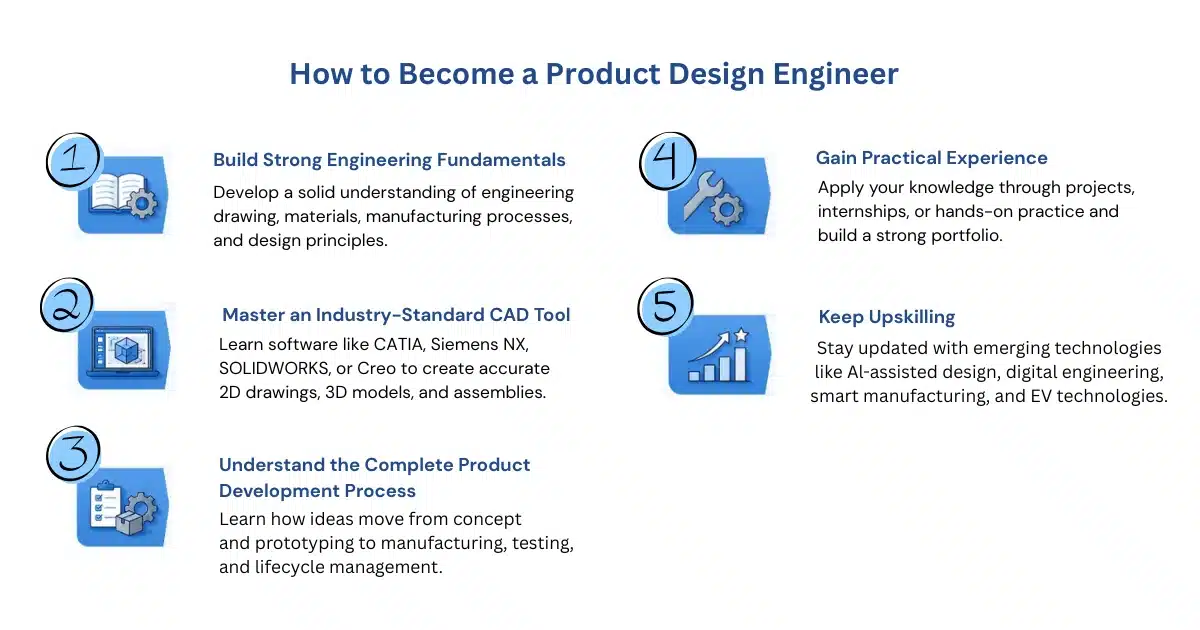
Becoming a product design engineer is more than just learning CAD tools. It requires a strong engineering foundation, practical experience, and a willingness to keep learning as technologies evolve. If you’re planning to build a career in product design, here are a few steps that can help you get started.

Infographic showing the key steps to become a product design engineer, including CAD skills, engineering fundamentals, practical experience, and continuous learning.

Remember, becoming a successful product design engineer is a journey. The more you practice, build real-world projects, and continuously upskill, the better prepared you’ll be for opportunities in today’s engineering industry..

Conclusion

Product design is an exciting field that blends engineering knowledge, creativity, and problem-solving to turn ideas into real-world products. As you’ve seen throughout this guide, building a successful career isn’t about mastering a single software tool—it’s about developing strong fundamentals, understanding the complete product development process, and continuously improving your skills.

Whether you’re just starting your engineering journey or looking to upskill, remember that every expert was once a beginner. Stay curious, keep practicing, work on real-world projects, and never stop learning. The skills you build today can help shape the innovative products of tomorrow.

FAQs

What is Product Design Engineering?

Product design engineering is the process of designing, developing, testing, and improving products before manufacturing. The best product design courses for engineering students teach CAD modeling, engineering drawings, product development, GD&T, and manufacturing principles, helping learners build the skills needed for careers in product design engineering.

What are the best product design courses for engineering students?

The best product design courses for engineering students cover CAD modeling, engineering drawing, CATIA, Siemens NX, SOLIDWORKS, PTC Creo, GD&T, Design for Manufacturing (DFM), and Product Lifecycle Management (PLM). These courses help learners build practical product design skills and prepare for careers in automotive, aerospace, manufacturing, and industrial engineering.

Is product design training suitable for beginners?

Yes. Product design training is beginner-friendly when it starts with engineering drawing, CAD fundamentals, and basic 3D modeling before progressing to assembly design, GD&T, and product development. Hands-on projects help learners build practical engineering skills.

Which product design training is best for mechanical engineers?

The best product design training for mechanical engineers covers industry-standard tools such as CATIA, Siemens NX, SOLIDWORKS, PTC Creo, GD&T, and PLM. Look for courses that include practical projects and real engineering workflows.

Is product design engineering a good career?

Yes. Product design engineering is a growing career with opportunities in automotive, aerospace, industrial equipment, consumer products, medical devices, and manufacturing. Engineers with strong CAD and product development skills are in demand across many industries.

What is the difference between CAD and product design?

CAD is a software tool used to create engineering drawings and 3D models, while product design is the complete process of developing a product from concept and design through testing, manufacturing, and improvement. CAD is one part of the overall product design process.

Does i GET IT by Tata Technologies offer product design training?

Yes. i GET IT by Tata Technologies offers industry-aligned learning paths covering CAD software, engineering drawing, GD&T, PLM, and product design concepts. Learners can explore a range of engineering courses designed to build practical skills for real-world product development.

Which industries hire product design engineers?

Product design engineers work in industries such as automotive, aerospace, industrial machinery, medical devices, consumer products, heavy equipment, and manufacturing, where engineering design and product development play a critical role.

What should I look for in a product design training course?

Choose a course that offers industry-standard CAD software, practical engineering projects, experienced instructors, and training in engineering drawings, GD&T, assembly design, DFM, and PLM to prepare you for real-world product development.

How much time does it take to learn product design?

The learning timeline depends on your background and study schedule. Most learners can develop a solid foundation within a few months, while mastering advanced product design skills typically requires continuous practice and project experience.

Explore the Product Design Engineer Certificate Program by Tata Technologies

Build the skills needed to become a Product Design Engineer with training in CAD design, digital twin, industrial design, and project management through a structured, industry-aligned learning program.

Explore Product Design ProgramContact Us
Form Submissionggg
Image description
Fill in your details and Submit to Connect

Submit details and we will get back to you!!!

SME
Image description
Join our Author, Campus & Reseller Program

Submit details and we will get back to you!!!

Styled Form
Image description

Show your Interest

Submit details and we will get back to you!!!

SME
Image description
Join our Author, Campus & Reseller Program

Submit details and we will get back to you!!!

Form Submission
Image description
Tell Us Where to Send the Syllabus?

(Ensure popup is allowed for this site)

Submit details and we will get back to you!!!

Form Submission

Prioritize GD&T before diving into any design software

Invest in your future to
transform your Career path

Become a GD&T Expert
LMS
logo

Autodesk Training Subscription

1010

OR

Verify email

Start your 3 days free trial now


Already have an account? Sign In

By clicking the button above, you accept our terms of use and privacy policy.

LMS
logo

Autodesk Training Subscription

1010

OR

Verify email

(Ensure popup is allowed for this site)

Start your 3 days free trial now

Already have an account? Sign In

By clicking the button above, you accept our terms of use and privacy policy.

LMS
logo

Sign In

Have Organization Sign In?  Use Single Sign On

Don't have an account? Sign Up

OR

logo

Sign Up

Already a user? Sign In

Verify

(Ensure popup is allowed for this site)

OR


Have Organization Sign In?   Use Single Sign On

By Registering you agree to the Terms of Use and Privacy Policy.

logo

Single Sign On

If your company has single sign-on set-up with i GET IT, enter your company's web address to access your unique login page. The format needs to be as such: "domainname.com".

(Ensure popup is allowed for this site)

Not an enterprise user?Sign In
logo

Forgot Password

Enter your email and we'll send you instructions on how to reset your password.

logo

Password Expired!

Password and Authentication

To help keep your account secure, passwords must be updated every 90 days.Your current password has expired, so you'll need to create a new password before continuing.

Avail Offer Form